When I arrived there at dusk, the whole place felt hushed, as if it were holding its breath. There was not a soul in sight. As I stepped inside, I saw cool water trickling gently from a small crack in the rock. The guide pointed to it and told me that this was Moses’s miraculous spring. He scooped up some water with a small ladle and invited me to drink it. The thought that the water described in the Bible as bursting forth from dry rock might still be flowing here today filled me with awe beyond words. How could Moses’s miraculous spring still be flowing after so many centuries without ever running dry?
Moses’s Spring
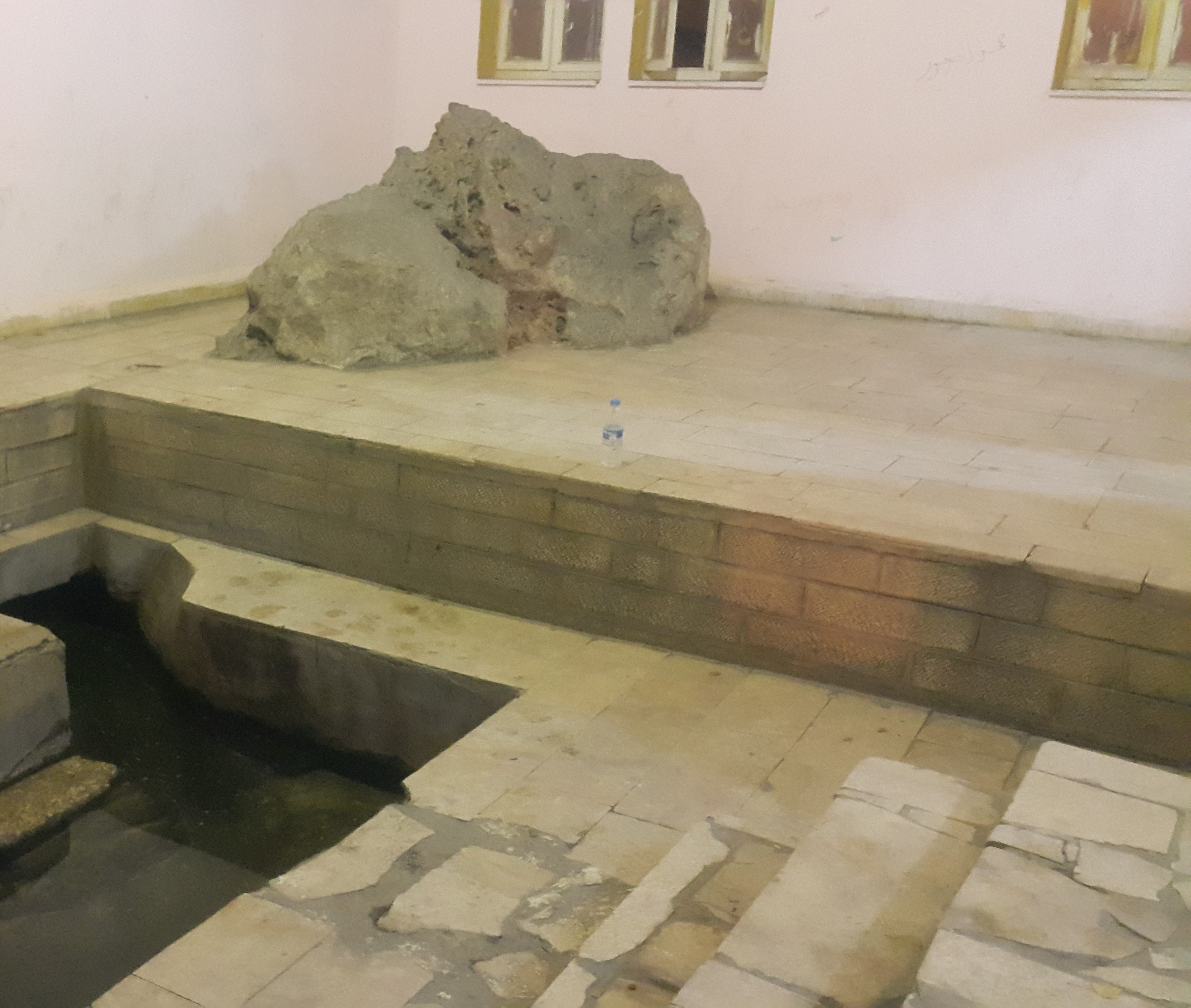
Cool water flows ceaselessly from a narrow fissure in the rock. Located in Wadi Musa, Jordan, this spring is known as Ain Musa, or Moses’s Spring. Local tradition connects it with the biblical story in which Moses struck the rock and water gushed forth, and for generations it has been regarded as a place of special meaning. The spring is also known as one of the important water sources that once supplied ancient Petra, which made the sight of the water feel even more mysterious.
Why does Moses’s Spring never run dry?
The Jordanian guide first scooped up some spring water with a small ladle and offered it to me. I wanted to take a sip right away, but I hesitated, worried that drinking unboiled water might upset my stomach. Sensing my hesitation, he lifted the ladle himself and drank the water in one refreshing swallow. Then he reassured me that both locals and visitors drank from this spring, and that no one had fallen ill. He even said the water tasted very good. Even so, I could not quite overcome my fear of getting sick in a foreign country, so in the end I decided not to drink it there.
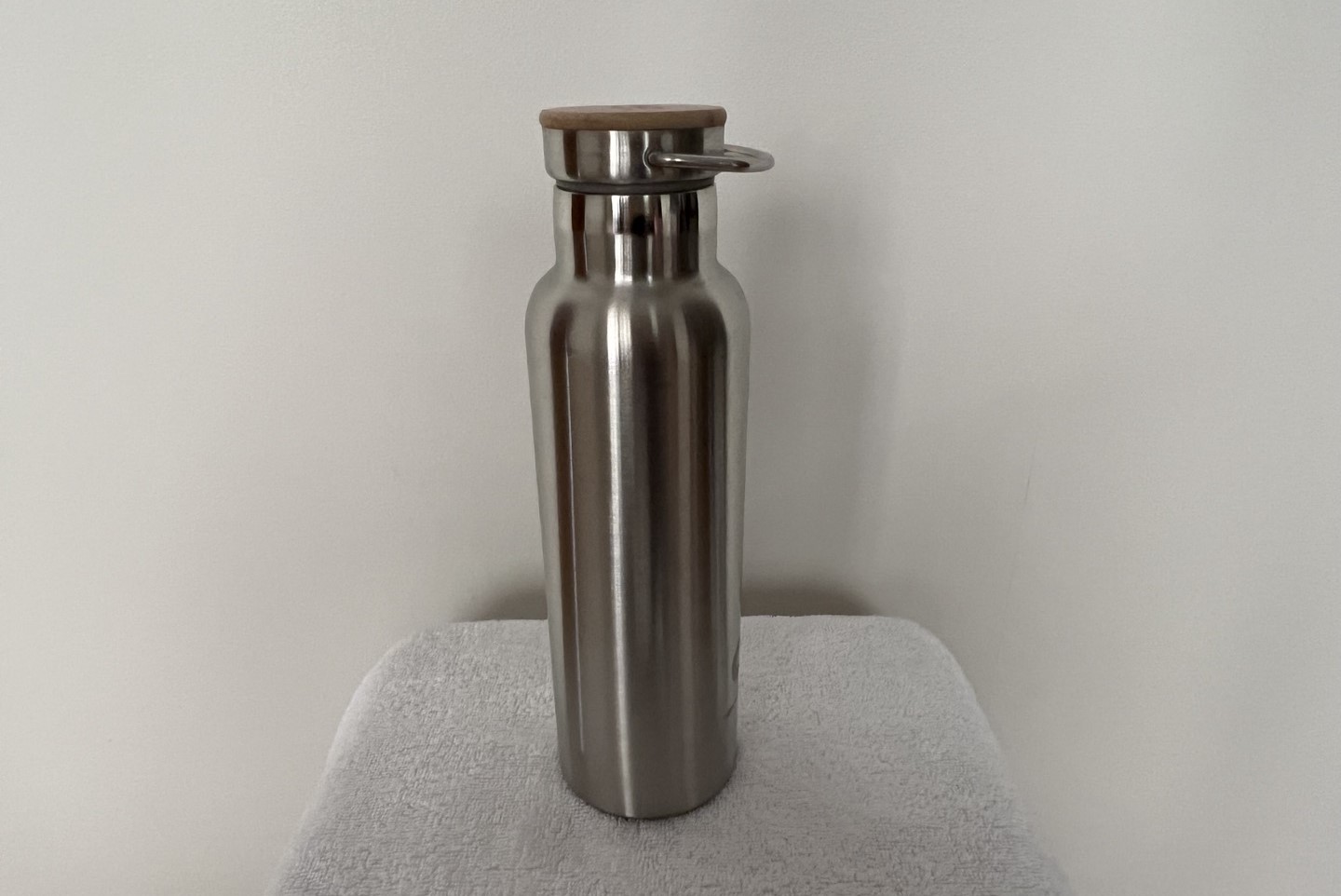
Perhaps it was because of a terrible case of food poisoning I once suffered during a trip to Egypt, but ever since then I have become much more cautious about what I eat and drink abroad. So instead of drinking the spring water on the spot, I carefully filled my own bottle with it and carried it all the way back to Korea.
For reference, wadi means a dry valley or ravine, and Musa is the Arabic name for Moses. So Wadi Musa means “the Valley of Moses,” while Ain Musa means “the Spring of Moses.” As I stood looking at that small stream flowing from such a narrow crack in the rock, its mystery only deepened in my heart.
Wadi Musa, the Valley of Moses
Moses’s Spring is located in Wadi Musa in southern Jordan. Since wadi means a dry valley or ravine and Musa means Moses, Wadi Musa literally means “the Valley of Moses.” The town lies very close to Petra, and even today many travelers stop here while visiting the ancient city. According to local tradition, Moses passed through this land while leading the Israelites and struck the rock to bring forth water, and that spring has been handed down as Ain Musa, the Spring of Moses.
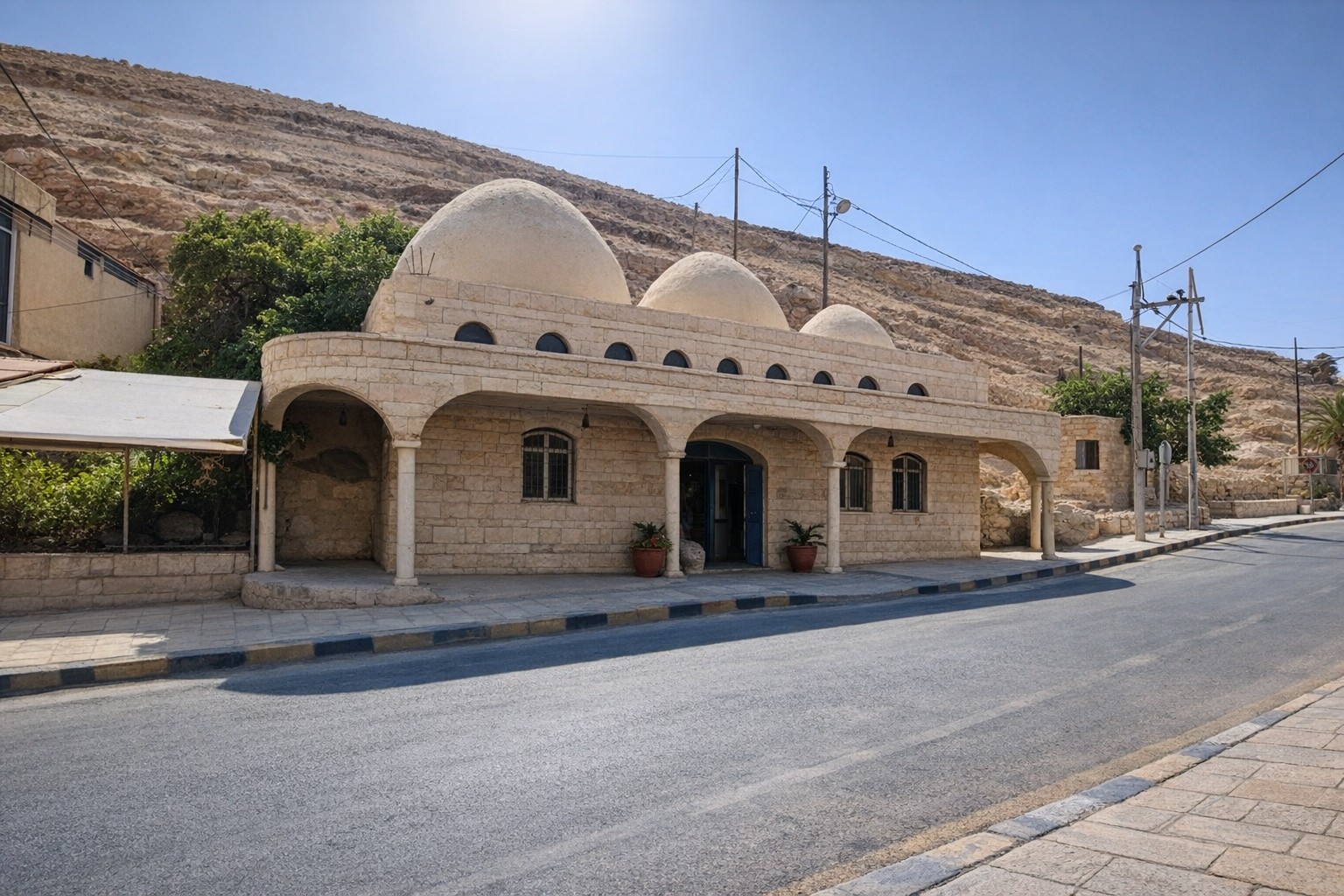
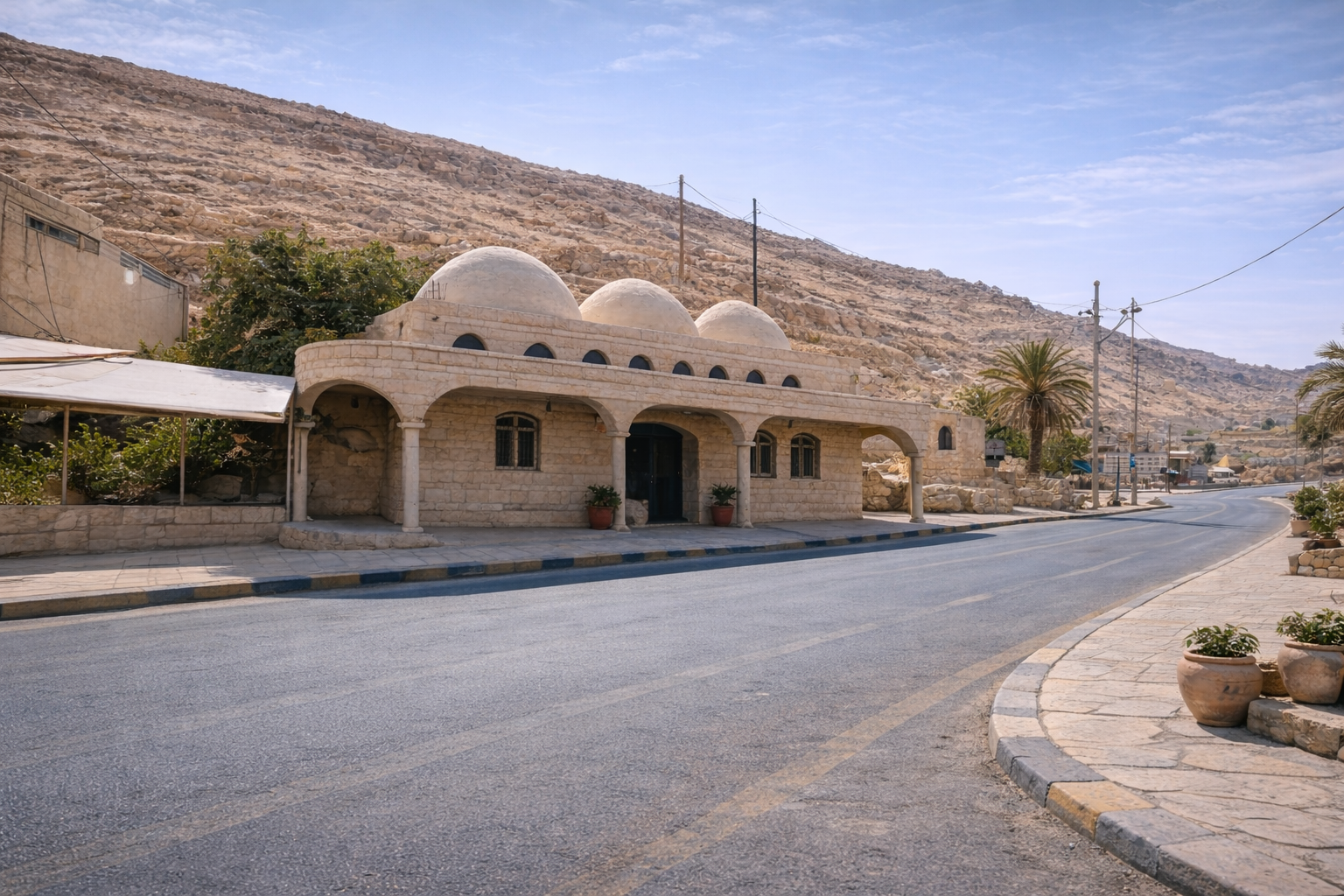
For centuries, the spring has held special meaning for the people of the area, and it is also known as one of the important water sources of ancient Petra. Inside the white building with three domes along the roadside in Wadi Musa, visitors can still see the famous spring flowing from a small fissure in the rock. Locals call it by various names, including Moses’s Spring, Moses’s Well, and the Miraculous Spring. As I stood there watching the water emerge from the rock, I felt as though ancient biblical time was still quietly alive in this place.
The miracle of water in the Old Testament
Inside the three-domed building, a small hollow spring can be seen beside the rock on the right. At first, I was surprised by how humble and modest it looked. I found myself wondering whether this plain little rock could really be the one associated with such a famous miracle.
According to Exodus 17, when the Israelites, having left Egypt, arrived at Rephidim and found no water to drink, they complained to Moses. God then told Moses to strike the rock at Horeb with his staff, and water came out so that the people could drink. Ain Musa in Wadi Musa is traditionally associated with this biblical story of water flowing from the rock.

Massah and Meribah, where faith was tested
The Bible calls this place Massah and Meribah. According to Exodus 17, these names were given because the Israelites tested God there, asking, “Is the Lord among us or not?” Massah is generally understood to mean “testing,” while Meribah is associated with “quarreling” or “complaint.” A similar miracle of water appears again in Numbers 20, where the waters of Meribah are linked to Kadesh in the Wilderness of Zin. The two traditions are related, but it is more accurate to distinguish them in the biblical text.
Psalm 95 also recalls how the Israelites hardened their hearts and tested God in the wilderness, and how that generation was made to wander for many years. Reading these passages, I felt that this spring was not simply a place where water flowed, but a place where faith and doubt, grace and human weakness, all seem to meet.

Ain Musa, the spring that never runs dry
From a crack in the plain, weathered rock, clear water was still quietly flowing. The guide told me that even in times of severe drought, this spring had never run dry, and hearing those words in the middle of such a barren landscape made the place feel even more extraordinary. Everything around the building protecting the spring looked dry and desolate, and yet it was hard to imagine where this water had its source or how it had continued flowing for so long.
Ain Musa is known as one of the important water sources of ancient Petra, and the Nabataeans are said to have channeled its water through conduits and pipelines into the city. Standing before that small stream, I felt I was not merely looking at a spring, but at an ancient source of life that once sustained a desert city.
On a pilgrimage path toward my mother, now a star
– Little Star
#MassahAndMeribah #OldTestamentSite #MiraculousSpring #SpringOfMoses #ChristianTravel #HolyLandJourney #JordanHolySite #DesertSpring #BiblicalJordan #PilgrimageJourney
'성지순례 삼만리 여정' 카테고리의 다른 글
| 바티칸 스카비 투어 후기 — 성 베드로 무덤 아래로 내려간 시간 (2) | 2026.04.22 |
|---|---|
| 아시시의 카르체리 은수처 Hermitage of the Carceri (1) | 2026.04.19 |
| 모세의 기적의 샘물이 마르지 않는 신비, 요르단. (3) | 2026.04.10 |
| Saint Francis — Lord, make me an instrument of Your peace (0) | 2026.03.31 |
| 바티칸 성 베드로 대성전(Basilica di San Pietro). (0) | 2026.03.29 |


