When I think of One Hundred Years of Solitude—often regarded as one of the greatest achievements in world literature—as a story born from Colombia’s soil and imagination, Zipaquirá begins to feel like a place with a completely new face. Inside the underground cathedral carved from salt, it was as if the time of Macondo was breathing quietly alongside me.
After hearing from Mrs Anne just how profoundly beloved One Hundred Years of Solitude is in Colombia, I first encountered it through a TV drama series one evening with her. And yet, through my Korean lens, many scenes felt strikingly unfamiliar—almost uncanny at times—and that sense of unfamiliarity sometimes arrived as a kind of cultural shock.
Gabriel García Márquez.
It is said that in his teenage years, Márquez continued his studies in Zipaquirá at the Liceo Nacional (a national boys’ school), having been selected for a scholarship, and that he lived there as a boarder. Before he became a towering figure in Colombian literature, he passed through this “city of salt”, studying, reading, and learning how sentences are made.
Knowing that Zipaquirá is not only a city of salt but also a place that held part of a writer’s formative years, the landscape begins to look different. Perhaps that is why the silence deep underground feels even deeper, and why the name Zipaquirá remains so vividly in my mind.
One Hundred Years of Solitude
One Hundred Years of Solitude (Spanish title: Cien años de soledad) is a novel published by García Márquez in 1967. It unfolds across generations of the Buendía family, set in the imagined town of Macondo. The story begins with José Arcadio Buendía, the family’s founding figure, as he establishes Macondo and sets the narrative in motion. The novel is frequently cited as a defining work of magical realism, and it has come to stand as one of the emblematic works of the Latin American Boom of the 1960s and 70s. In its pages, historical reality and private fate, the bizarre and the ordinary, overlap naturally within a single sentence—leaving the reader with a lingering question: is this reality, or myth?
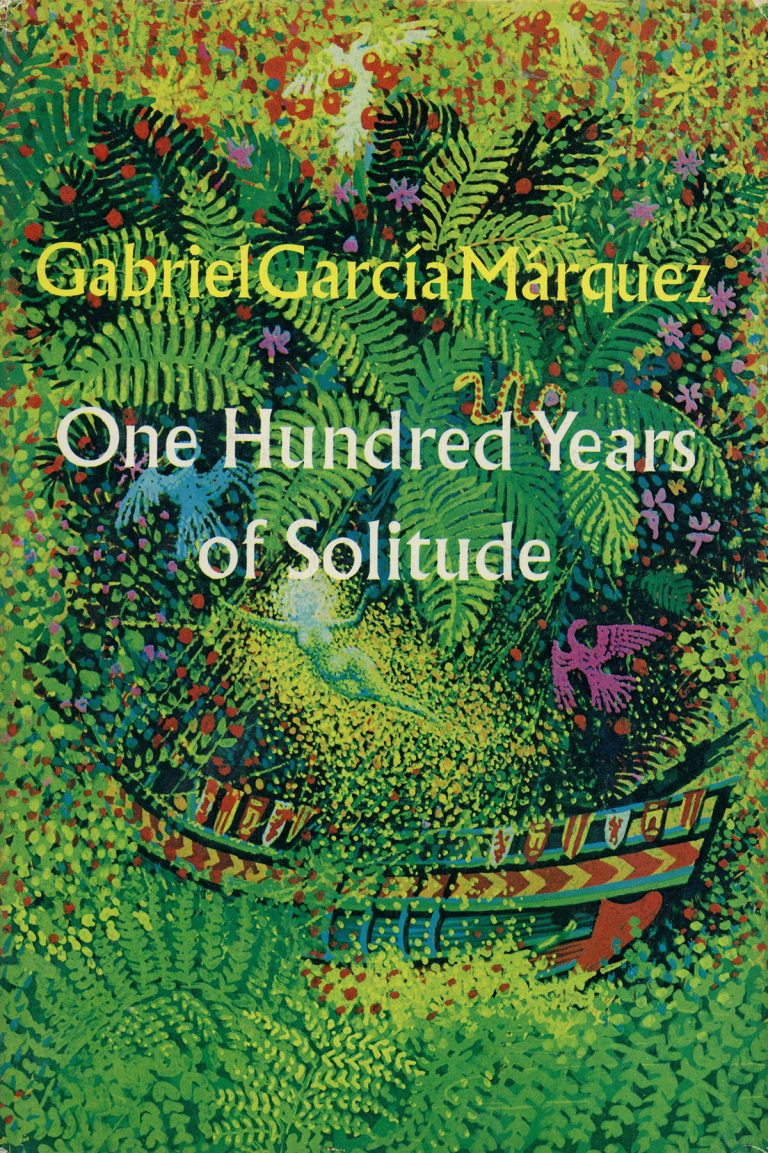
Perhaps that is why my experience at the Salt Cathedral of Zipaquirá turned One Hundred Years of Solitude into something more than “a classic I should read someday”. It became a book that felt connected to this place, here and now. A subterranean sanctuary made of salt, and the time of Macondo woven from solitude and destiny—two worlds that seem entirely different, and yet somehow echo each other. The deeper you descend, the more stories rise to the surface.
If you have travelled to Zipaquirá, or if you have walked through the cathedral’s dim passages yourself, you may find you have every reason to open One Hundred Years of Solitude at least once. Because the moment you turn the first page, the name Zipaquirá might cease to be a mere point on a map—and return instead as a living memory in literature.
The full story of the Salt Cathedral continues in the post below.
The Cathedral Made of 700-Million-Year-Old Salt: https://stella-mum.tistory.com/303
On a pilgrimage path towards my mother, now a star
– Little Star
#Colombia #Zipaquirá #ZipaquiráSaltCathedral #SaltCathedral #GabrielGarcíaMárquez #GarcíaMárquez #OneHundredYearsOfSolitude #CienAñosDeSoledad #Macondo #Buendía #LatinAmericanLiterature #LatinAmericanBoom #MagicalRealism #WorldLiterature #ColombiaTravel
'성지순례 삼만리 여정 > 대성당_Cathedral' 카테고리의 다른 글
| 소금이 세운 할슈타트 문명(Hallstatt). (0) | 2026.02.23 |
|---|---|
| Zipaquirá Salt Cathedral Window Display — The Gift Shop (0) | 2026.02.23 |
| 아시시 산 루피노 대성당 Cathedral of San Rufino (1) | 2026.02.22 |
| Salt Pond at the Salt Cathedral — The Water Mirror I Met Underground (0) | 2026.02.17 |
| 소금성당의 소금연못(Salt Pond) — 지하에서 만난 물거울. (2) | 2026.02.17 |

